Blog

  • The Social Publik Crisis Playbook: How to Respond, Recover, and Rebuild Trust in 2026

    The Social Publik Crisis Playbook: How to Respond, Recover, and Rebuild Trust in 2026

    It takes years to build a brand reputation — and, in 2026, roughly the length of a lunch break to watch it catch fire on social publik. A misjudged joke, a defective product caught on video, a leaked internal message, or even a completely fabricated screenshot can be trending before your team has finished its morning meeting. Yet while nearly every marketing department maintains a content calendar, surprisingly few have a genuine crisis playbook. This guide walks you through building one: how to prepare before anything goes wrong, what to do in the first critical hour, how to craft a response that calms rather than inflames, and how to rebuild trust once the storm passes.

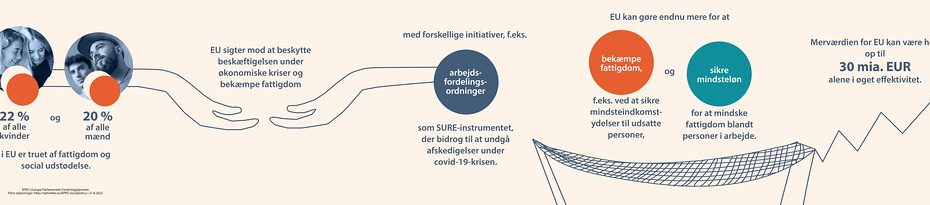
    Studie des Wissenschaftlichen Dienstes des Europäischen Parlaments zum potenziellen Mehrwert der Europäischen Union in bestimmten Bereichen der Sozial- und Arbeitspolitik
    Foto: EP Research Service (EPRS)

    Why Social Publik Crises Escalate Faster in 2026

    A decade ago, a PR problem unfolded over days. Today, three forces compress that timeline into hours. First, synthetic content has become cheap and convincing — fabricated screenshots, cloned executive voices, and manipulated video can put words in your brand’s mouth before you even know an attack is happening. Second, recommendation algorithms still reward outrage, so a single angry post with strong early engagement gets pushed far beyond the original poster’s audience. Third, nothing truly disappears: even if you delete a misstep within seconds, someone has already captured it, and the screenshot often travels further than the original post.

    The practical consequence is that crisis management is no longer a niche PR skill — it’s a core social publik competency. Teams that treat it as an afterthought consistently lose the first, most important hours of a crisis to confusion and internal debate.

    Preparation: The Work You Do Before Anything Goes Wrong

    The brands that survive social publik crises aren’t necessarily the ones with the biggest budgets. They’re the ones that made key decisions in advance, while everyone was calm and thinking clearly. Three preparation steps deliver most of that resilience.

    Set Up Always-On Social Listening

    You can’t respond to a fire you don’t see. Use listening tools to track your brand name, product names, executive names, common misspellings, and campaign hashtags across platforms — including smaller communities where issues often smolder first. Define alert thresholds in advance: a sudden spike in mention volume or a sharp drop in sentiment should notify a named person, not just light up a dashboard nobody checks on weekends.

    Map Your Response Chain

    In a crisis, the worst question is ‘who’s allowed to post this?’ Decide now who monitors, who drafts, who approves, and who speaks publicly. For low-level issues, your community manager might respond directly. For anything involving legal, safety, or executive matters, define an escalation path with named backups — because crises have a habit of arriving on holidays.

    Pre-Draft Holding Statements

    You can’t predict the exact crisis, but you can predict its categories: product failures, service outages, employee misconduct, data incidents, and manufactured misinformation. Write template holding statements for each. A good holding statement acknowledges the situation, expresses appropriate concern, states what you’re doing, and commits to an update time. Having these pre-approved can cut your first response from three hours to fifteen minutes.

    The First Hour: A Step-by-Step Framework

    When something breaks, follow a fixed sequence rather than improvising:

    • Pause everything scheduled. Nothing amplifies a crisis like a cheerful promotional post landing in the middle of it. Halt your content queue immediately.
    • Verify before you deny. Establish what actually happened. If the claim is fabricated, gather evidence. If it’s real, find out how far it goes — a half-true denial is far more damaging than a short delay.
    • Acknowledge quickly, even without answers. Silence reads as indifference or guilt. A short post saying ‘we’re aware of this, we’re investigating, and we’ll update you by 3 PM’ buys goodwill and time.
    • Choose the right channel. Respond where the crisis is loudest, but move detailed information to a channel you control, such as your website or a pinned statement.
    • Log everything. Timestamps, screenshots, and decisions become essential for the post-crisis review — and sometimes for legal protection.

    Crafting a Response That Actually Lands

    Once the facts are clear, the substance and tone of your response matter more than its polish. Audiences on social publik in 2026 are highly attuned to corporate-speak, and they punish it. Effective responses share a few traits: they use plain human language, they name the problem specifically rather than hiding behind vague phrases like ‘recent events,’ and they accept appropriate responsibility without theatrical self-flagellation.

    Increasingly, the strongest format is video. A short clip of a real person — a founder, a product lead, a customer service head — looking into the camera and explaining what happened and what changes next outperforms a text statement almost every time. It resists being screenshotted out of context, and it restores the human element that text-only apologies strip away.

    Five Mistakes That Turn a Spark Into a Fire

    Even experienced teams stumble under pressure. Avoid these common errors:

    • Deleting critical comments. Moderate genuine abuse, but removing legitimate criticism creates a second, angrier story about censorship.
    • Arguing with individuals. Public back-and-forths with unhappy users almost never end well and always get screenshotted.
    • Posting copy-paste replies. Identical responses to dozens of people signal that you’re managing optics, not solving problems.
    • Over-promising. Committing to fixes you can’t deliver converts one bad week into months of broken-promise reminders.
    • Declaring victory too early. Announcing the issue is ‘resolved’ while customers still experience it reignites the entire cycle.

    Recovery: Rebuilding Trust in the Weeks After

    The end of the trending topic is not the end of the crisis. Trust rebuilds slowly, through demonstrated behavior rather than statements. Share concrete follow-ups: what you changed, what you learned, and what measurable steps you’re taking. Some brands now publish brief transparency updates thirty and ninety days after a major incident — a practice that converts a reputational low into public evidence of accountability.

    This is also the moment to re-engage your community rather than retreat. Brands that go quiet for months after a crisis often find their audience has drifted away. Return to normal programming gradually, lead with value rather than promotion, and let your most loyal customers see that their patience was justified.

    Run an Honest Post-Crisis Review

    Two to four weeks after the dust settles, gather everyone involved and audit the response: How fast was the first acknowledgment? Where did approvals stall? Which holding statements worked, and which needed a full rewrite? Feed every lesson back into the playbook, because the next crisis will not look exactly like this one. The goal isn’t a perfect record — it’s a shorter response time and a smaller blast radius each time.

    Social publik crises in 2026 are faster, stranger, and less predictable than ever — but they’re also survivable. The brands that come out stronger share the same pattern: they prepared while calm, responded with speed and humanity, avoided the classic self-inflicted errors, and treated recovery as a long game. Build your playbook now, while nothing is on fire. Your future self, staring at a trending hashtag at 7 AM, will be grateful you did.

  • Beyond the Like Button: How to Measure Real Social Publik ROI in 2026

    Beyond the Like Button: How to Measure Real Social Publik ROI in 2026

    By now, most marketing teams have accepted that social publik is a permanent fixture of the communications mix. Budgets have grown, headcounts have followed, and dashboards are overflowing with numbers. Yet when leadership asks a deceptively simple question — what did we actually get from all of this? — the room often goes quiet. In 2026, the brands winning with social publik are not necessarily the ones posting the most. They are the ones measuring the right things and acting on what they learn. This guide breaks down how to measure genuine return on investment from your social publik efforts, without drowning in vanity metrics or overcomplicating your reporting.

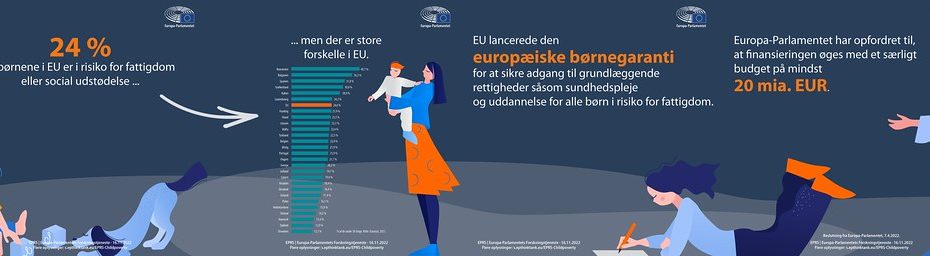
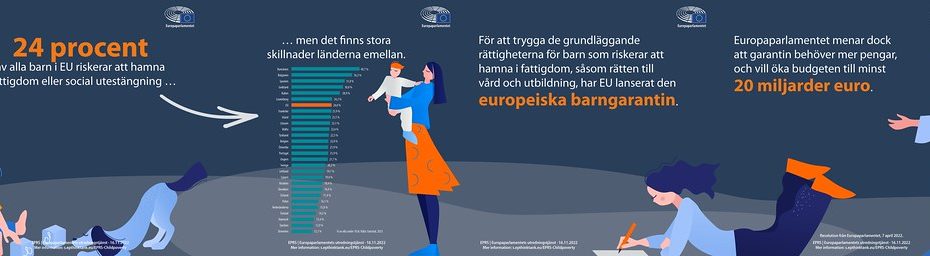
    Barnfattigdom i EU
    Foto: EP Research Service (EPRS)

    Why Vanity Metrics Keep Fooling Smart Marketers

    Likes, follower counts, and raw impressions feel good. They move upward on a chart, they screenshot well for the board deck, and they require almost no explanation. The problem is that they correlate weakly — and sometimes not at all — with business outcomes.

    Algorithm shifts through 2025 and into 2026 have made reach more volatile than ever. A post can rack up tens of thousands of impressions because an AI-curated feed briefly surfaced it, while generating zero meaningful interest in your brand. Meanwhile, a quiet post shared into a private community of two hundred people might drive a dozen qualified sales conversations. If your reporting treats those two events as a win and a loss respectively, your measurement framework is upside down.

    Follower counts have their own trap. Purchased followers, bot networks, and inactive accounts inflate the number while diluting your engagement rate — which in turn tells platform algorithms your content is underperforming. Chasing the wrong number actively damages the metrics that matter.

    Start With Goals, Not Dashboards

    The most common measurement mistake happens before any data is collected: teams open their analytics tools first and decide what to track based on whatever is available. Flip that process. Define what social publik is supposed to accomplish for your organization this quarter, then find the numbers that reflect that goal.

    If Your Goal Is Awareness

    Focus on reach quality rather than reach volume. Look at how many of the people seeing your content match your target audience profile, how often your brand is mentioned unprompted, and whether branded search volume rises after campaigns. Awareness that never translates into recognition or recall is just noise.

    If Your Goal Is Trust and Consideration

    Prioritize sentiment trends, save and share behavior, and the depth of conversations happening around your brand. Someone saving a post for later or forwarding it to a colleague is signaling intent that a like simply does not carry. In 2026, private sharing — through direct messages and closed groups — often exceeds public engagement, so make sure your listening tools account for dark social signals where possible.

    If Your Goal Is Revenue and Retention

    Then your measurement must connect social publik activity to pipeline and customer lifetime value. Track assisted conversions, lead quality from social referrals, support costs deflected by community self-service, and repeat purchase rates among engaged community members versus non-engaged customers.

    The Metrics That Actually Matter in 2026

    Once goals are clear, build a lean scorecard. Most teams do well with six to eight core metrics rather than thirty loosely monitored ones. Strong candidates include:

    • Meaningful engagement rate: Comments, saves, and shares divided by reach, weighted so that substantive interactions count more than passive likes.
    • Sentiment trajectory: Not a single snapshot, but the direction of positive, neutral, and negative mentions over rolling 90-day periods.
    • Share of voice: How your brand’s conversation volume and tone compare against direct competitors in your category.
    • Response time and resolution rate: How quickly your team answers questions and how often issues are resolved without escalation. Social publik increasingly functions as a customer service channel, and speed here directly shapes public perception.
    • Qualified traffic: Sessions from social sources that meet a quality threshold — time on site, pages visited, or a defined conversion event — rather than raw click counts.
    • Attributed and assisted revenue: Deals where social publik touchpoints appear anywhere in the buyer journey, not just as the final click.
    • Community health: Active participant ratio, returning contributor counts, and user-generated content volume within your owned communities.

    Attribution in a Privacy-First Era

    Measurement in 2026 happens under very different conditions than even a few years ago. Third-party cookies are effectively finished, tracking regulations continue to tighten across regions, and platforms guard their data more jealously. Perfect, user-level attribution across the entire customer journey is no longer realistic — and chasing it wastes budget.

    Instead, mature teams combine three approaches. First, disciplined use of UTM parameters and platform-native conversion tools captures what can be captured directly. Second, first-party data does the heavy lifting: post-purchase surveys asking how customers heard about you remain surprisingly accurate, and gated content, newsletters, and community signups create clean connection points between social publik activity and identifiable relationships. Third, modeled attribution and marketing mix analysis fill the gaps statistically rather than pretending every touchpoint is trackable.

    Modern AI-driven analytics platforms have made this far more accessible. Tools released through 2025 and 2026 can ingest engagement, sentiment, and sales data together and surface patterns — such as which content themes consistently precede spikes in branded search or demo requests — that manual analysis would miss. The key is treating these insights as directional evidence, not gospel.

    Turning Data Into Decisions

    A metric that never changes a decision is a waste of a dashboard. Establish a reporting rhythm that matches how your team actually works: a weekly pulse check on engagement quality and response times, a monthly review tied to your current goal set, and a quarterly deep dive that asks harder questions about budget allocation.

    Just as important, build a test-and-learn habit. When data suggests a content format or posting window is working, run a controlled experiment to confirm it before scaling. Document what you tried, what happened, and what you changed. Over a year, this log becomes one of the most valuable assets your social publik program owns — an institutional memory that survives staff turnover and platform upheaval alike.

    Common Measurement Mistakes to Avoid

    • Reporting activity instead of outcomes: Posts published and hours spent are inputs, not results.
    • Comparing unlike channels: A niche community platform and a mass-reach video network serve different purposes; judge each against its own role.
    • Ignoring negative signals: Rising unfollow rates, shortening comment threads, and creeping negative sentiment are early warnings, not embarrassments to hide.
    • Attributing everything to the last click: Social publik often plants the seed that a search ad later harvests. Assisted conversions matter.
    • Changing too many variables at once: If you overhaul content, cadence, and creative simultaneously, you will never know what moved the needle.
    • Setting benchmarks against unrelated brands: A global consumer brand’s engagement rates tell you nothing useful about your regional B2B operation. Benchmark against your own history first.

    The Bottom Line

    Social publik earns its budget when you can draw a credible line from conversation to consequence. That line does not need to be perfect — in the privacy-first landscape of 2026, it cannot be — but it does need to be honest, consistent, and tied to goals your business genuinely cares about. Retire the vanity metrics, choose a small set of indicators that reflect real value, and review them on a rhythm that leads to action. Do that, and the next time leadership asks what you got from social publik, you will have an answer worth listening to.

  • Navigating the Social Publik Landscape: Strategies for Authentic Engagement in 2026

    Navigating the Social Publik Landscape: Strategies for Authentic Engagement in 2026

    Understanding Social Publik: A Shift Towards Authenticity

    As we step deeper into 2026, the social landscape continues to evolve. Social Publik has emerged as a crucial player in the realm of online engagement, providing brands with a platform that emphasizes authenticity and community connection. Understanding this shift is essential for businesses looking to make a genuine impact.

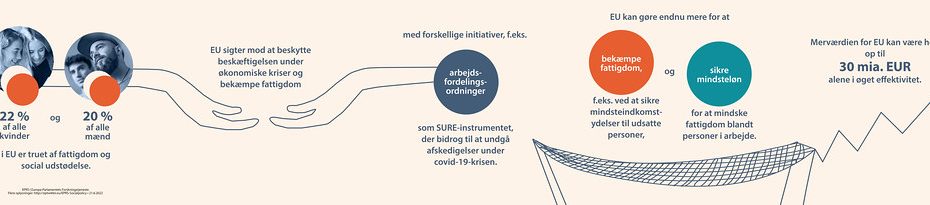
    Børnefattigdom i EU
    Foto: EP Research Service (EPRS)

    The Core Principles of Social Publik

    At its essence, Social Publik revolves around three fundamental principles:

    • Authenticity: Platforms are favoring genuine connections over curated perfection. Users crave real interactions, making it essential for brands to engage honestly.
    • Community-Centric Engagement: Social Publik thrives on community. Companies must focus on building relationships rather than merely pushing their products.
    • Transparency: Today’s audience values brands that are open about their processes, values, and missions. Being transparent fosters trust and loyalty.

    Embracing User-Generated Content

    One of the most effective strategies for brands in the Social Publik environment is leveraging user-generated content (UGC). UGC serves multiple purposes:

    • Building Trust: When potential customers see real people using a product, it enhances credibility.
    • Cost-Effective Marketing: UGC can significantly diminish marketing costs while increasing reach.
    • Enhanced Engagement: Encouraging customers to share their experiences can create a sense of community around your brand.

    Strategies for Successful Implementation

    To harness the full potential of Social Publik in 2026, brands can adopt several strategies:

    1. Foster Genuine Conversations

    Engaging with customers in a meaningful way goes beyond just responding to comments. Brands should:

    • Initiate discussions around relevant topics.
    • Encourage feedback and show appreciation for customer insights.
    • Facilitate community events or forums.

    2. Collaborate with Influencers

    In an age where consumers trust influencers more than traditional ads, partnering with the right influencers can amplify your message:

    • Choose influencers who resonate with your brand values.
    • Encourage authenticity in their content creation.
    • Prioritize long-term relationships over one-off campaigns.

    3. Create Inclusive Campaigns

    Inclusivity isn’t just a trend; it’s a movement. Brands that embrace diverse perspectives can foster deeper connections:

    • Feature diverse voices in your marketing materials.
    • Highlight stories from a range of customers.
    • Engage with communities that reflect your brand’s values.

    Content that Resonates

    Content is king, but relevance reigns supreme. In 2026, brands need to prioritize:

    • Storytelling: Craft narratives that resonate deeply with audiences, focusing on shared values and experiences.
    • Visual Content: Utilize engaging visuals to capture attention and convey messages quickly.
    • Interactive Elements: Incorporate polls, quizzes, and live interactions to boost engagement.

    Measuring Success in Social Publik

    Metrics in the Social Publik environment are evolving. Instead of focusing solely on likes and shares, brands should consider:

    • Engagement Rates: Understand how actively your audience interacts with your content.
    • Community Growth: Measure the growth of genuine followers who resonate with your brand.
    • Brand Sentiment: Monitor discussions and feedback to gauge how your brand is perceived in the community.

    Conclusion: The Future of Brand Engagement

    As we navigate through 2026, the landscape of Social Publik will continue to challenge brands to evolve and adapt. By embracing authenticity, community engagement, and user-generated content, businesses can forge meaningful connections that will resonate with their audience for years to come. In this rapidly changing environment, those who prioritize genuine interaction over mere transactions will undoubtedly thrive.

  • Unlocking the Benefits of Social Publik: Why You Should Integrate It Into Your Marketing Strategy

    Unlocking the Benefits of Social Publik: Why You Should Integrate It Into Your Marketing Strategy

    Introduction to Social Publik

    As we find ourselves deep into 2026, the digital landscape continues to evolve rapidly. One area that has been gaining significant traction is social publik, a term that encapsulates the power of social engagement across various platforms. In this article, we will explore the myriad benefits of integrating social publik into your marketing strategy, the key features that define it, and how you can leverage its strengths to enhance your brand presence.

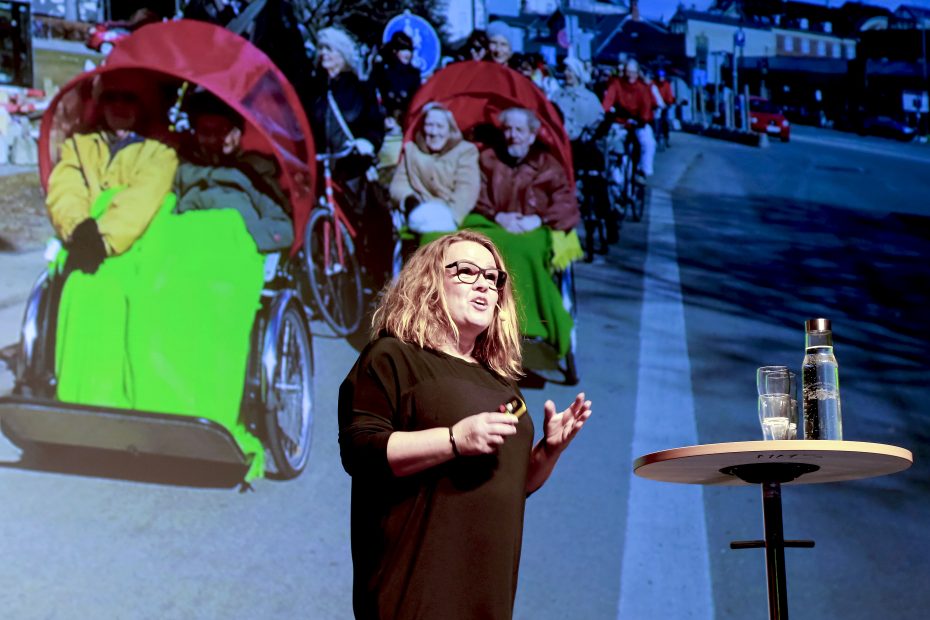
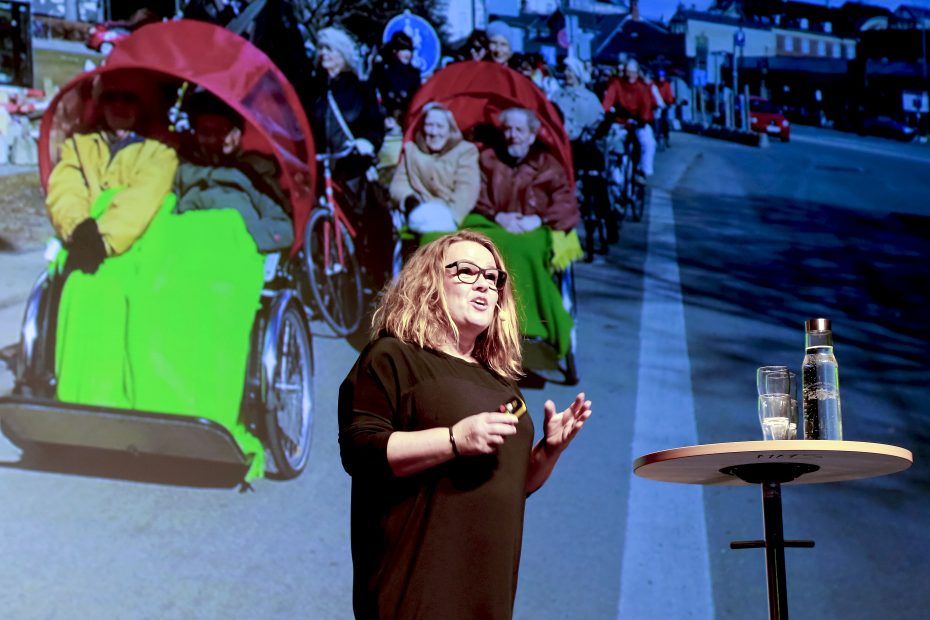
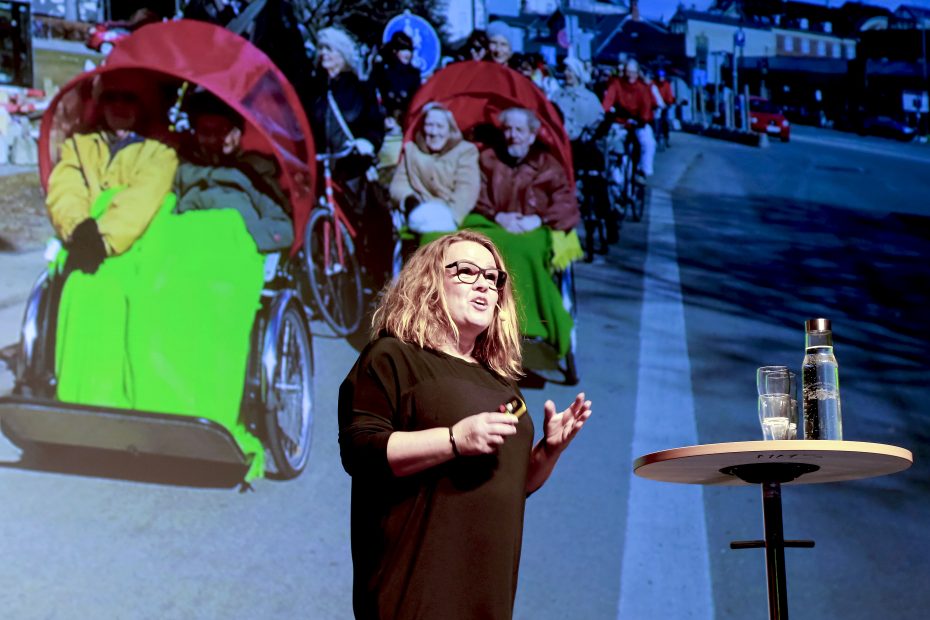
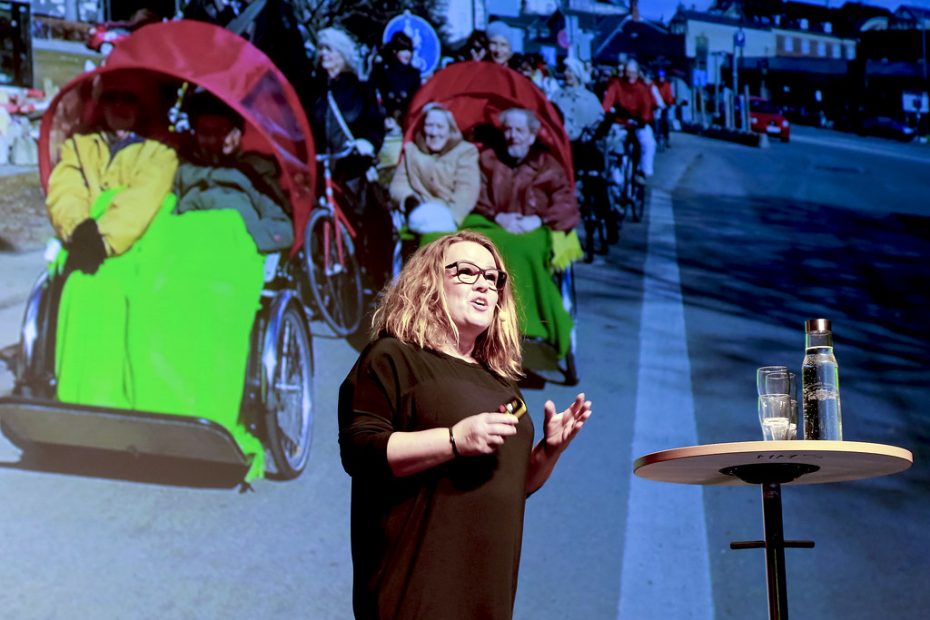
    20171114 Social Innovation Summit Per Bolund (38417854941)
    Foto: News Oresund

    The Concept of Social Publik

    Social publik represents the intersection of social media engagement and broader public discourse, focusing on how brands communicate and interact with their audience in a public space. Unlike traditional marketing, which often emphasizes one-way communication, social publik is a two-way street, allowing for meaningful interactions and real-time feedback.

    Key Benefits of Social Publik

    1. Enhanced Customer Engagement

    In today’s fast-paced online environment, customers crave interaction and authenticity from brands. Social publik encourages brands to engage their audience on a personal level, fostering loyalty and community. Here are some ways engagement can be improved:

    • Real-Time Responses: Addressing customer inquiries on social platforms can boost satisfaction.
    • Interactive Content: Polls, quizzes, and user-generated content can enhance participation.
    • Community Building: Creating focused groups around your brand can facilitate deeper connections.

    2. Improved Brand Visibility

    A well-executed social publik strategy can amplify your brand’s visibility. By tapping into trending topics and leveraging hashtags, brands can reach a wider audience. Here are some strategies to consider:

    • Collaborations with Influencers: Partnering with influencers can introduce your brand to new followers.
    • Cross-Platform Promotions: Sharing your content across multiple platforms increases reach.
    • Consistent Posting: Regular activity keeps your brand top-of-mind for followers.

    3. Valuable Consumer Insights

    One of the most significant advantages of engaging through social publik is access to real-time data and feedback. Brands can utilize these insights to adapt their strategies accordingly:

    • Sentiment Analysis: Monitoring comments and reactions can give a pulse on consumer feelings.
    • Content Performance Metrics: Analyzing which posts resonate helps refine future content.
    • Demographic Trends: Understanding your audience’s demographic allows for targeted marketing.

    4. Cost-Effective Marketing

    Unlike traditional marketing channels, social publik often requires minimal investment yet yields high returns. Here are some cost-effective tactics: Also read: wak89 for more insights.

    • Organic Reach: Engaging content can go viral without paid promotions.
    • Community Engagement: Building a loyal community can reduce advertising costs.
    • Content Marketing: Sharing valuable content establishes authority and drives organic traffic.

    Integrating Social Publik into Your Marketing Strategy

    1. Identify Your Audience

    Understanding who your target audience is will direct your social publik efforts effectively. Consider their preferences, behaviors, and the platforms they frequent.

    2. Create Engaging Content

    Content is the backbone of social publik. Aim to produce high-quality, engaging content that resonates with your audience. This can include:

    • Visuals: High-quality images, infographics, and videos.
    • Stories: Compelling narratives that resonate with your audience.
    • Educational Posts: Sharing knowledge can position you as an industry leader.

    3. Leverage Real-Time Trends

    Stay updated with current trends and engage in conversations that are relevant to your audience. This can help your brand remain relatable and in tune with societal movements.

    4. Measure Your Success

    To understand the effectiveness of your social publik initiatives, it’s vital to track metrics such as engagement rates, conversion rates, and customer feedback. Use tools like social media analytics or Google Analytics for precise insights.

    Conclusion

    As we navigate through 2026, the importance of integrating social publik into marketing strategies cannot be overstated. By enhancing customer engagement, improving brand visibility, gaining valuable consumer insights, and leveraging cost-effective marketing, brands can achieve a well-rounded approach to their digital presence. Embracing the social publik revolution could very well be the key to thriving in today’s competitive marketplace.

  • The Rising Influence of Social Publik in 2026: What Brands Need to Know

    The Rising Influence of Social Publik in 2026: What Brands Need to Know

    Understanding Social Publik and Its Relevance Today

    In the fast-paced world of digital marketing, the concept of social publik has emerged as a significant force. By 2026, the integration of social media and public engagement has transformed how brands connect with their audiences, making it imperative for marketers to adapt to these changes. This article delves into what social publik is, its current landscape, and how brands can effectively harness its potential for impactful marketing.

    social publik

    What is Social Publik?

    Social publik refers to the ways in which brands engage with their audience through social media platforms while fostering a sense of community and shared values. It emphasizes genuine interactions rather than traditional advertising tactics, focusing on building relationships and trust with consumers.

    The Shift from Traditional Marketing

    As consumers become more discerning, many brands have recognized the limitations of traditional marketing methods. Instead of merely pushing products, companies are now striving to create a dialogue with their customers. The rise of social publik is a response to this demand for authenticity and transparency.

    The Key Elements of Social Publik

    To understand how to leverage social publik effectively, it is crucial to consider its key elements:

    • Engagement: Actively interacting with customers to foster a sense of community.
    • Content Creation: Producing relatable and shareable content that resonates with the audience.
    • Transparency: Being open about brand practices and values to build trust.
    • Feedback Loops: Utilizing customer insights to inform product development and marketing strategies.

    Current Trends in Social Publik for 2026

    As we navigate through 2026, several trends are shaping the social publik landscape. Here are some noteworthy developments:

    1. Increased Use of Video Content

    Video content continues to dominate social media platforms. Brands are utilizing short-form videos to tell stories, showcase products, and engage with their audience in ways that static images cannot achieve.

    2. Micro-Influencer Collaborations

    Brands are increasingly partnering with micro-influencers, who often have a more engaged and loyal following than their larger counterparts. This trend allows companies to target niche audiences effectively.

    3. Social Commerce

    The integration of shopping features within social media platforms has made it easier for consumers to make purchases directly. Brands are leveraging this trend to streamline the buying process and enhance customer experience.

    4. Purpose-Driven Marketing

    Today’s consumers want to align with brands that reflect their values. Companies are focusing on purpose-driven marketing, which emphasizes social responsibility and sustainability.

    Strategies for Brands to Leverage Social Publik

    To navigate the evolving landscape of social publik effectively, brands need to implement strategic approaches:

    1. Build Authentic Relationships

    Engage with your audience by responding to comments, messages, and feedback. Genuine interactions foster loyalty and community.

    2. Create Shareable Content

    Develop content that resonates with your audience’s interests and encourages sharing. Use humor, storytelling, or informative posts to capture attention.

    3. Utilize Data Analytics

    Measure the effectiveness of your social publik efforts through analytics. Understanding engagement rates, audience demographics, and feedback can help refine your strategy.

    4. Focus on Visual Storytelling

    Incorporate images and videos into your marketing efforts to enhance engagement. Visual storytelling can create a more profound connection with the audience.

    Challenges to Consider

    While the potential of social publik is vast, brands should also be aware of the challenges associated with it:

    • Content Saturation: With so much content available, standing out can be challenging.
    • Negative Feedback: Transparency means that negative comments can arise; handling them effectively is essential.
    • Keeping Up with Trends: The digital landscape changes rapidly, requiring brands to stay updated with the latest trends.

    The Future of Social Publik

    As we look ahead, the role of social publik in marketing will only continue to grow. Brands that prioritize authentic engagement, adapt to changing consumer preferences, and leverage new technologies will thrive in this evolving environment.

    Conclusion

    In conclusion, social publik is not just a trend but a crucial aspect of modern marketing strategies in 2026. By embracing the principles of engagement, transparency, and community-building, brands can create impactful connections with their audiences, driving loyalty and long-term success.

  • Exploring the Evolution of Social Publik: Transformations and Future Prospects

    The Rise of Social Publik in 2026

    As we step into 2026, the landscape of social media continues to evolve at an unprecedented pace. Social Publik, a term that captures the essence of public social interactions and engagements, has become a pivotal element in shaping our digital communication. This article aims to delve into the key transformations of Social Publik over the last few years and its anticipated future trajectory.

    Understanding Social Publik

    Social Publik refers to the collective activities and behaviors of individuals on social platforms that facilitate communication, sharing of information, and community building. Unlike traditional social media, which often emphasizes individual profiles, Social Publik focuses on collective experiences and public interactions.

    The Journey So Far

    Since its inception, Social Publik has witnessed significant changes driven by technological advancements and shifting user behavior. Here are some key milestones:

    • 2019-2020: The rise of community-focused platforms, emphasizing niche interests and interactions.
    • 2021: The introduction of augmented reality (AR) features, allowing users to engage in more immersive experiences.
    • 2022-2023: Increased focus on privacy and data security, leading to the rise of decentralized social platforms.
    • 2024: The integration of artificial intelligence (AI) in content curation and community management.
    • 2025: Enhanced cross-platform collaborations, enabling seamless interactions among diverse social media platforms.

    Current Trends in Social Publik

    As we navigate through 2026, several trends are shaping the way users interact on social mediums:

    1. The Growth of Micro-Communities

    With an increasing desire for personalized connections, micro-communities have gained traction. Users gravitate towards smaller, like-minded groups that foster deeper engagement and meaningful interactions.

    2. Emphasis on Visual Storytelling

    Visual content remains king in the realm of Social Publik. Platforms are increasingly prioritizing videos, infographics, and live streaming, enabling users to share stories in more engaging formats.

    3. Integration of E-commerce

    Social Publik is blurring the lines between social media and e-commerce. Brands are utilizing platforms to create shopping experiences that allow users to explore products while engaging with content.

    4. Focus on Mental Health and Well-being

    Users are becoming more conscious of their social media consumption and its impact on mental health. This has led to platforms implementing features aimed at promoting well-being, such as time management tools and content moderation options.

    Challenges Facing Social Publik

    Despite its growth, Social Publik faces several challenges that could hinder its advancement:

    1. Data Privacy Concerns

    The ongoing debates surrounding data privacy continue to dominate conversations. Users are increasingly vigilant about how their data is collected and used, prompting platforms to reassess their policies.

    2. Misinformation and Content Moderation

    The spread of misinformation remains a persistent issue. Social Publik must evolve to develop efficient content moderation strategies to ensure the reliability of shared information.

    3. Balancing Engagement with Authenticity

    With an emphasis on engagement rates, many platforms struggle to maintain authenticity. Users are becoming more discerning, favoring genuine content over curated feeds.

    The Future of Social Publik

    Looking ahead, the future of Social Publik seems promising yet complex. Here are several expected developments:

    1. Enhanced User Control

    Future iterations of Social Publik will likely grant users greater control over their content and interactions. This might include customizable privacy settings and more transparent content algorithms.

    2. AI-Driven Personalization

    As AI technology continues to advance, platforms will harness its potential for more personalized user experiences. This could significantly enhance content discovery and community engagement.

    3. Sustainability and Social Responsibility

    There is a growing expectation for platforms to operate sustainably and contribute positively to society. Social Publik will need to adapt to reflect these values, incorporating social responsibility into their business models.

    Conclusion

    Social Publik is transforming how we engage with one another and the digital world at large. As we look toward the future, staying attuned to these changes will be crucial for both users and businesses aiming to thrive in this dynamic environment. By embracing the innovations and addressing the challenges that arise, Social Publik can continue to foster meaningful interactions that enrich our social experiences.

  • Harnessing the Power of Social Publik: Trends and Strategies for 2026

    Introduction

    As we approach the close of 2026, the landscape of digital marketing continues to evolve, with social media platforms being at the forefront of this transformation. One of the most significant trends emerging in recent years is the concept of ‘social publik’—a term that encapsulates the art of creating engaging, community-driven content for online audiences. This article will explore current trends, effective strategies, and the importance of authenticity in social publik to help you stay ahead of the curve.

    Understanding Social Publik

    Social publik refers to the practice of utilizing social media to connect with audiences in a meaningful way. It goes beyond traditional marketing tactics, focusing on community engagement and building relationships. In 2026, brands that successfully leverage social publik can enjoy increased loyalty, better customer relationships, and ultimately, higher conversion rates.

    The Importance of Community Engagement

    One of the key elements of social publik is community engagement. Brands that actively engage with their audiences are more likely to generate trust and foster loyalty. Here are some ways to enhance community engagement:

    • Interactive Content: Create polls, quizzes, and live Q&A sessions to foster participation and interaction.
    • User-Generated Content: Encourage your audience to share their own content related to your brand.
    • Respond and Act: Make sure to respond to comments and messages promptly. Show that you value their input.

    Current Trends to Watch in 2026

    As we move through 2026, several notable trends are shaping the social publik space:

    • Video Content Dominance: Videos, especially short-form content, continue to dominate social media. Platforms like TikTok and Instagram Reels are influencing how brands create and share their content.
    • Authenticity Over Perfection: Audiences are gravitating towards brands that showcase authenticity. Candid moments and behind-the-scenes glimpses generate trust.
    • Personalized Experiences: Brands are investing in data analytics to deliver personalized content that resonates with individual users.
    • Social Commerce Boom: The integration of e-commerce within social media platforms is streamlining the shopping experience, making it easier for users to purchase directly from their feeds.

    Embracing Authenticity

    In an age where consumers are increasingly savvy, authenticity has become a prized asset. Here are some strategies to ensure your brand remains genuine:

    • Be Transparent: Share your brand’s journey, including challenges and successes.
    • Showcase Real People: Use real employees or customers in your campaigns to make your messaging relatable.
    • Encourage Feedback: Actively seek and incorporate feedback from your audience to show that you value their opinions.

    Effective Strategies for Social Publik

    To maximize the potential of social publik, consider the following strategies:

    • Create a Content Calendar: Plan your content in advance to ensure consistency and alignment with your marketing goals.
    • Utilize Analytics: Regularly analyze your social media metrics to determine what content resonates best with your audience.
    • Collaborate with Influencers: Partner with influencers who align with your brand values to reach a broader audience.
    • Experiment with New Features: Stay updated on new features offered by social media platforms and incorporate them into your strategy.

    Conclusion

    As 2026 progresses, the significance of social publik in digital marketing cannot be overstated. Brands that prioritize community engagement, authenticity, and innovative strategies will thrive in this competitive space. By understanding and leveraging these trends, you can create meaningful connections with your audience and foster a loyal customer base. Embrace the power of social publik to navigate the future of social media marketing successfully.

  • Hello world!

    Welcome to WordPress. This is your first post. Edit or delete it, then start writing!